Tooth decay is one of the most common dental problems seen in children, adults, and senior citizens. Many people ignore the early signs of cavities until the pain becomes severe. In reality, dental caries starts silently and slowly damages the tooth from the outside to the inside.
At The Dental Port Advance Dental & Implant Center Noida, we regularly treat patients who come with sensitivity, food lodgement, bad breath, or sudden toothache and later discover hidden cavities. The good news is that dental caries is preventable and treatable when diagnosed early.
This guide explains what dental caries is, why it develops, how dentists treat it, and what you can do to protect your teeth long term.
What Is Dental Caries or Tooth Cavity?
Dental caries, also called a tooth cavity or tooth decay, is a disease where bacteria damage the tooth structure by producing acids. These acids gradually dissolve the enamel, creating small holes in the teeth.
If the cavity is not treated in time, the infection spreads deeper into the tooth and can affect the dentin and pulp, leading to severe pain, infection, swelling, or tooth loss.
In simple words
A cavity is a damaged area in the tooth caused by bacteria, sugar, and poor oral hygiene.
How Does a Cavity Form?
The process usually happens step by step:
1. Plaque Builds Up on Teeth
Plaque is a sticky layer of bacteria that forms on the teeth after eating.
2. Bacteria Feed on Sugar
When you consume sugary foods, soft drinks, chocolates, biscuits, or sticky snacks, bacteria use these sugars as food.
3. Acid Attacks the Enamel
The bacteria produce acids that weaken and dissolve the enamel minerals.
4. Small Decay Begins
Initially, white spots may appear. Over time, the enamel breaks down and a cavity forms.
5. Infection Reaches the Nerve
If untreated, decay progresses deeper and causes pain, sensitivity, and infection.
Why Do Cavities Happen?
Dental caries develops due to multiple factors working together.
Common Causes of Tooth Decay
Poor Oral Hygiene
Not brushing properly allows plaque and bacteria to remain on the teeth.
Frequent Sugar Consumption
Frequent snacking, sugary drinks, candies, and processed foods increase acid attacks.
Sticky Foods
Sticky foods stay attached to teeth longer and feed bacteria continuously.
Dry Mouth
Saliva helps wash away food particles and neutralize acids. Reduced saliva increases cavity risk.
Irregular Dental Checkups
Small cavities often go unnoticed without professional dental examinations.
Deep Grooves in Teeth
Some teeth naturally have deep pits where food gets trapped easily.
Poor Existing Dental Work
Old leaking fillings or damaged crowns can allow bacteria to enter again.
Signs and Symptoms of Dental Caries
Many cavities do not cause pain initially. Early diagnosis is extremely important.
Common symptoms include
- Tooth sensitivity to cold or sweets
- Pain while chewing
- Food getting stuck between teeth
- Black or brown spots on teeth
- Visible holes in the tooth
- Persistent bad breath
- Sudden toothache
- Swelling in severe infection
Types of Dental Caries
Pit and Fissure Caries
Usually seen on chewing surfaces of molars.
Smooth Surface Caries
Occurs between teeth due to plaque accumulation.
Root Caries
Common in older adults when gums recede.
Early Childhood Caries
Common in children consuming sugary milk or juices frequently.
Real Clinical Experience From Our Practice
At The Dental Port Advance Dental & Implant Center Noida, one of the most common patterns we observe is patients ignoring mild sensitivity for months.
A 32-year-old working professional visited our clinic with severe pain while eating on the left side. He believed it was temporary sensitivity and kept using desensitizing toothpaste. On examination and digital X-rays, we found deep decay reaching the nerve of the tooth.
Because the cavity was diagnosed late, the patient required:
- Root canal treatment
- Crown placement
- Multiple dental visits
If diagnosed earlier, a simple tooth-colored filling could have saved both time and cost.
This is why regular dental checkups matter even when there is no pain.
How Dentists Diagnose Cavities
Modern dentistry allows early and accurate cavity detection.
Methods include
- Clinical examination
- Digital dental X-rays
- Intraoral cameras
- Laser cavity detection in selected cases
Early diagnosis helps preserve maximum natural tooth structure.
How to Get Rid of Dental Caries
Treatment depends on how deep the cavity is.
1. Fluoride Treatment for Early Decay
If the decay is in the very early stage, fluoride can help strengthen enamel and stop progression.
Best for:
- White spot lesions
- Early enamel damage
2. Tooth-Colored Fillings
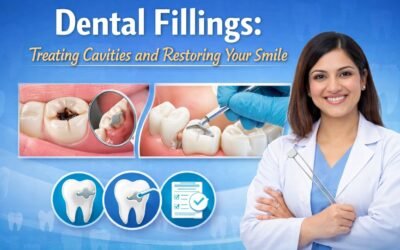
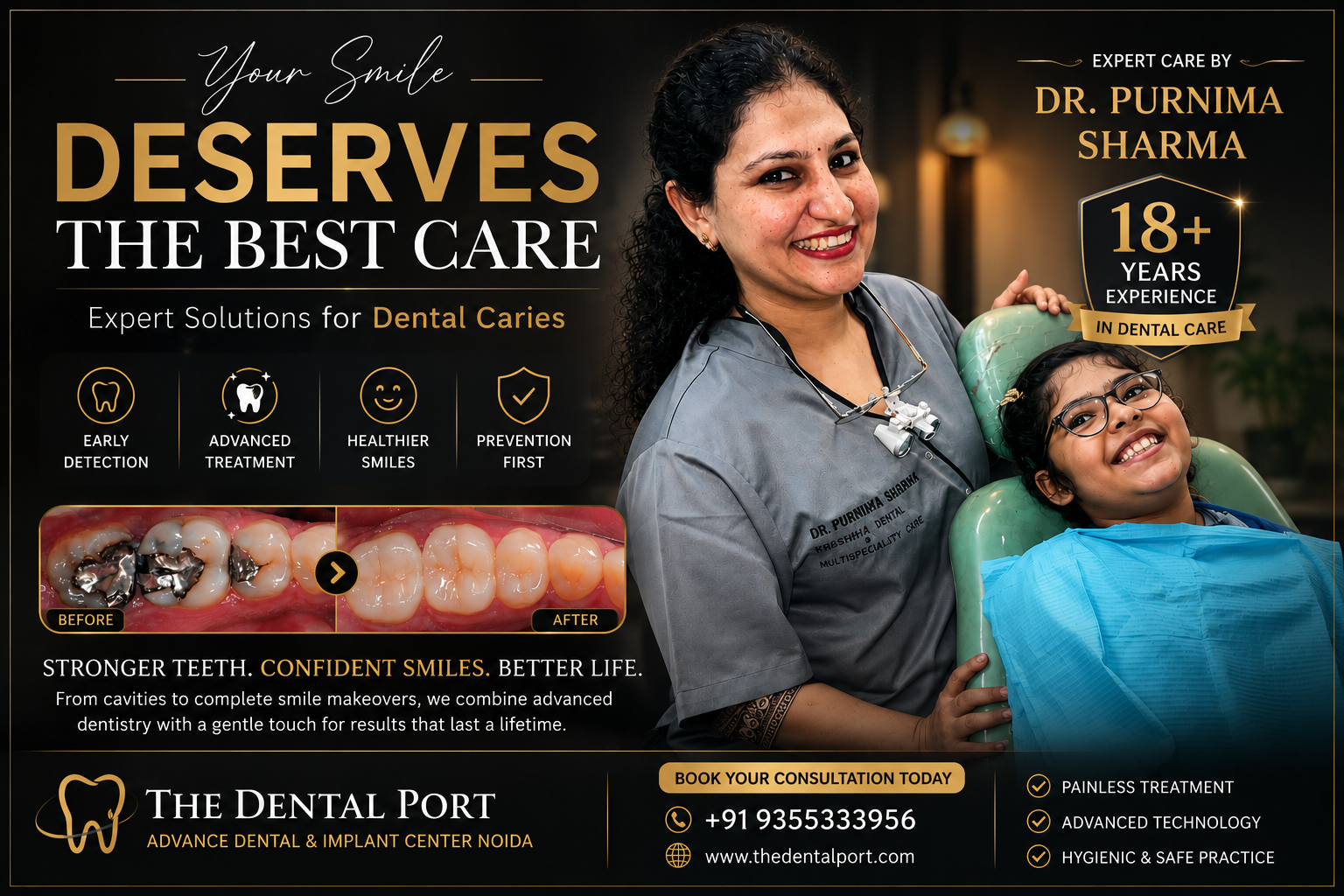
For small to moderate cavities, the decayed part is removed and replaced with composite filling material.
Benefits:
- Natural appearance
- Strong bonding
- Minimally invasive
- Quick procedure
3. Root Canal Treatment
If decay reaches the tooth nerve, root canal treatment becomes necessary.
The infected pulp is removed, the canals are cleaned, and the tooth is sealed.
Signs you may need a root canal:
- Severe pain
- Night pain
- Swelling
- Long-lasting sensitivity
4. Dental Crown
After a root canal, a crown protects the weakened tooth and restores chewing strength.
5. Tooth Extraction
In extremely damaged teeth that cannot be saved, extraction may be required.
Missing teeth should ideally be replaced with:
- Dental implants
- Dental bridges
- Crowns
Can Cavities Heal Naturally?
Once a physical hole forms in the tooth, it cannot repair itself naturally.
Very early enamel damage may be reversed with:
- Fluoride
- Improved oral hygiene
- Diet correction
However, established cavities require professional dental treatment.
How to Prevent Tooth Cavities
Prevention is always easier and less expensive than treatment.
Daily Habits That Reduce Cavity Risk
Brush Twice Daily
Use fluoride toothpaste and proper brushing technique.
Floss Every Day
Floss removes plaque between teeth where brushes cannot reach.
Limit Sugary Foods
Reduce frequent snacking and sugary beverages.
Drink More Water
Water helps cleanse the mouth naturally.
Visit the Dentist Regularly
Professional cleanings and early diagnosis prevent major dental problems.
Dental Sealants for Children
Sealants protect deep grooves in molars from decay.
Are Cavities Dangerous if Ignored?
Yes. Untreated cavities can lead to:
- Severe tooth pain
- Dental abscess
- Gum infection
- Difficulty eating
- Tooth fracture
- Tooth loss
- Spread of infection to nearby tissues
Ignoring small cavities often leads to larger and more expensive treatments later.
Why Early Dental Treatment Matters
At our clinic, we often explain to patients that cavities rarely become smaller with time. They usually continue progressing silently.
Early treatment offers:
- Less pain
- Lower cost
- Faster recovery
- Better long-term tooth preservation
Modern dental treatments today are far more comfortable and minimally invasive than most patients expect.
Frequently Asked Questions About Dental Caries
Can cavities spread from one tooth to another?
Bacteria causing decay can affect nearby teeth if oral hygiene remains poor.
Are cavities common in children?
Yes. Children are highly prone due to sugary diets and inadequate brushing.
Do cavities always hurt?
No. Many cavities remain painless until they become deep.
Can sensitivity indicate a cavity?
Yes. Sensitivity to sweets or cold is often an early warning sign.
Is a black spot always a cavity?
Not always, but it should be examined by a dentist.
Final Thoughts
Dental caries is a progressive bacterial disease that can quietly damage your teeth if ignored. The earlier a cavity is detected, the simpler and more affordable the treatment becomes.
Maintaining good oral hygiene, reducing sugar intake, and scheduling regular dental checkups are the best ways to protect your smile.
At The Dental Port Advance Dental & Implant Center Noida, we focus on early diagnosis, conservative treatment, and long-term oral health solutions using modern dental technology and patient-centered care.
If you are experiencing tooth sensitivity, pain, food lodgement, or visible dark spots on your teeth, do not wait for the problem to worsen. Early dental care can save your natural tooth and prevent major procedures later.
Book Your Dental Consultation
📞 Call or WhatsApp: +91 9355333956
Visit The Dental Port Advance Dental & Implant Center Noida to schedule your appointment and get expert evaluation for cavities, tooth pain, and preventive dental care.