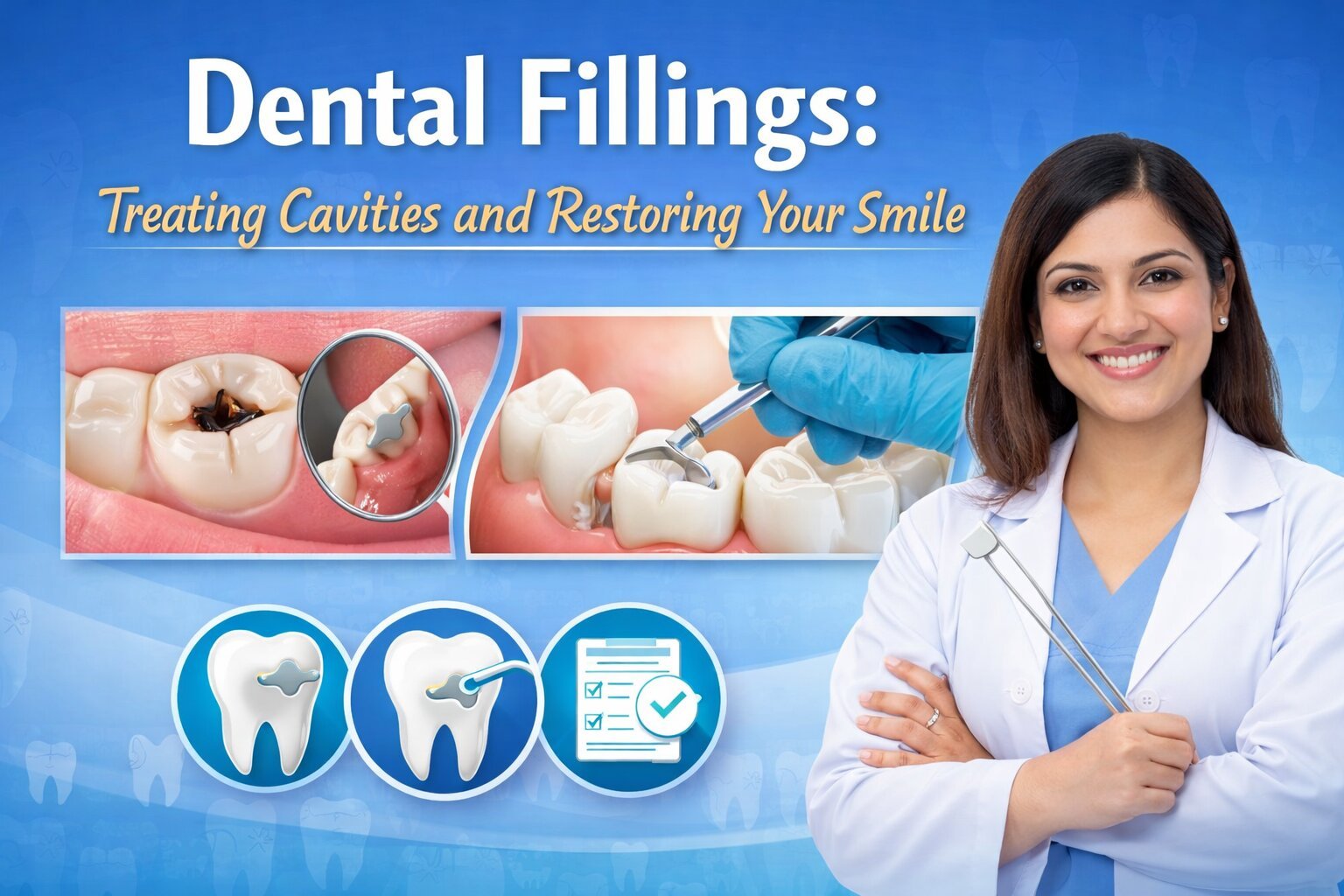
Dental health is an essential part of your overall well-being, and one of the most common dental procedures people undergo is dental fillings. Whether caused by tooth decay, minor fractures, or wear and tear, cavities can lead to discomfort and serious oral issues if left untreated. Dental fillings are a simple and effective solution that helps restore the function and appearance of your teeth while preventing further damage.
What Are Dental Fillings?
Dental fillings are restorative materials used to repair teeth that have been damaged by decay or minor fractures. When a dentist removes the decayed portion of a tooth, the empty space is filled with a durable material to restore its structure and function. This not only stops the progression of decay but also strengthens the tooth, allowing you to chew and speak comfortably.
Common Types of Dental Fillings
There are several types of dental fillings available today, each with its own advantages:
- Composite Fillings: Tooth-colored and aesthetically pleasing, ideal for visible teeth.
- Amalgam Fillings: Durable and cost-effective, often used for back teeth.
- Ceramic Fillings: Highly resistant to staining and long-lasting.
- Gold Fillings: Extremely durable but more expensive and less commonly used today.
The Dental Port will recommend the best option based on your needs, budget, and the location of the cavity.
Signs You May Need a Dental Filling
It’s important to recognize the early signs of tooth decay so you can seek treatment promptly. Some common symptoms include:
- Tooth sensitivity to hot, cold, or sweet foods
- Visible holes or dark spots on teeth
- Pain when biting or chewing
- Persistent toothache
Regular dental checkups can help detect cavities early, often before you notice any symptoms.
The Dental Filling Procedure: What to Expect
Getting a dental filling is a straightforward and painless procedure. First, the dentist will numb the area around the affected tooth. Then, the decayed portion is carefully removed, and the tooth is cleaned to eliminate bacteria. The chosen filling material is placed into the cavity, shaped, and hardened using a special light in the case of composite fillings. Finally, the dentist polishes the tooth to ensure a smooth and natural finish.
Most procedures are completed in a single visit, allowing you to return to your daily routine quickly.
Benefits of Dental Fillings
Dental fillings offer numerous benefits, making them one of the most commonly performed dental treatments:
- Prevent further tooth decay
- Restore normal tooth function
- Improve the appearance of damaged teeth
- Protect against infection and more serious dental issues
- Provide a long-lasting and cost-effective solution
How Long Do Dental Fillings Last?
The lifespan of a dental filling depends on the material used and your oral hygiene habits. Composite fillings typically last 5–10 years, while amalgam and gold fillings can last even longer. Regular dental visits and proper care, such as brushing twice a day and flossing, can significantly extend the life of your fillings.
Aftercare Tips for Dental Fillings
After getting a filling, maintaining good oral hygiene is essential to ensure its longevity. Avoid very hard or sticky foods immediately after the procedure, especially if anesthesia was used. Brush and floss regularly, and use fluoride toothpaste to strengthen your teeth. It’s also important to schedule routine dental checkups to monitor the condition of your fillings.
Conclusion:
Dental fillings are a reliable and effective way to treat cavities and restore your smile. With modern materials and advanced techniques, the procedure is quick, comfortable, and highly successful. By addressing tooth decay early and maintaining good oral hygiene, you can keep your teeth healthy and strong for years to come. If you experience any symptoms of cavities, don’t delay—consult your dentist and protect your smile today.
FAQs – Dental Fillings
1. What are dental fillings used for?
Dental fillings are used to repair cavities, restore damaged teeth, and prevent further tooth decay or infection.
2. Are dental fillings painful?
No, dental fillings are usually painless as the dentist uses local anesthesia to ensure a comfortable procedure.
3. How long does a dental filling procedure take?
A dental filling typically takes 20 to 60 minutes, depending on the size and location of the cavity.
4. Which type of dental filling is best?
Composite fillings are popular for aesthetics, while amalgam fillings are durable—your dentist recommends the best option.
5. How long do dental fillings last?
Dental fillings can last 5–15 years or longer, depending on the material used and your oral hygiene habits.