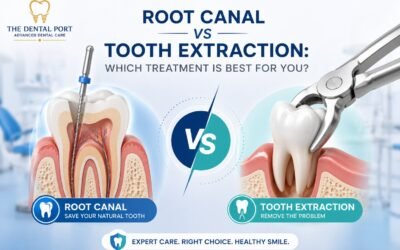
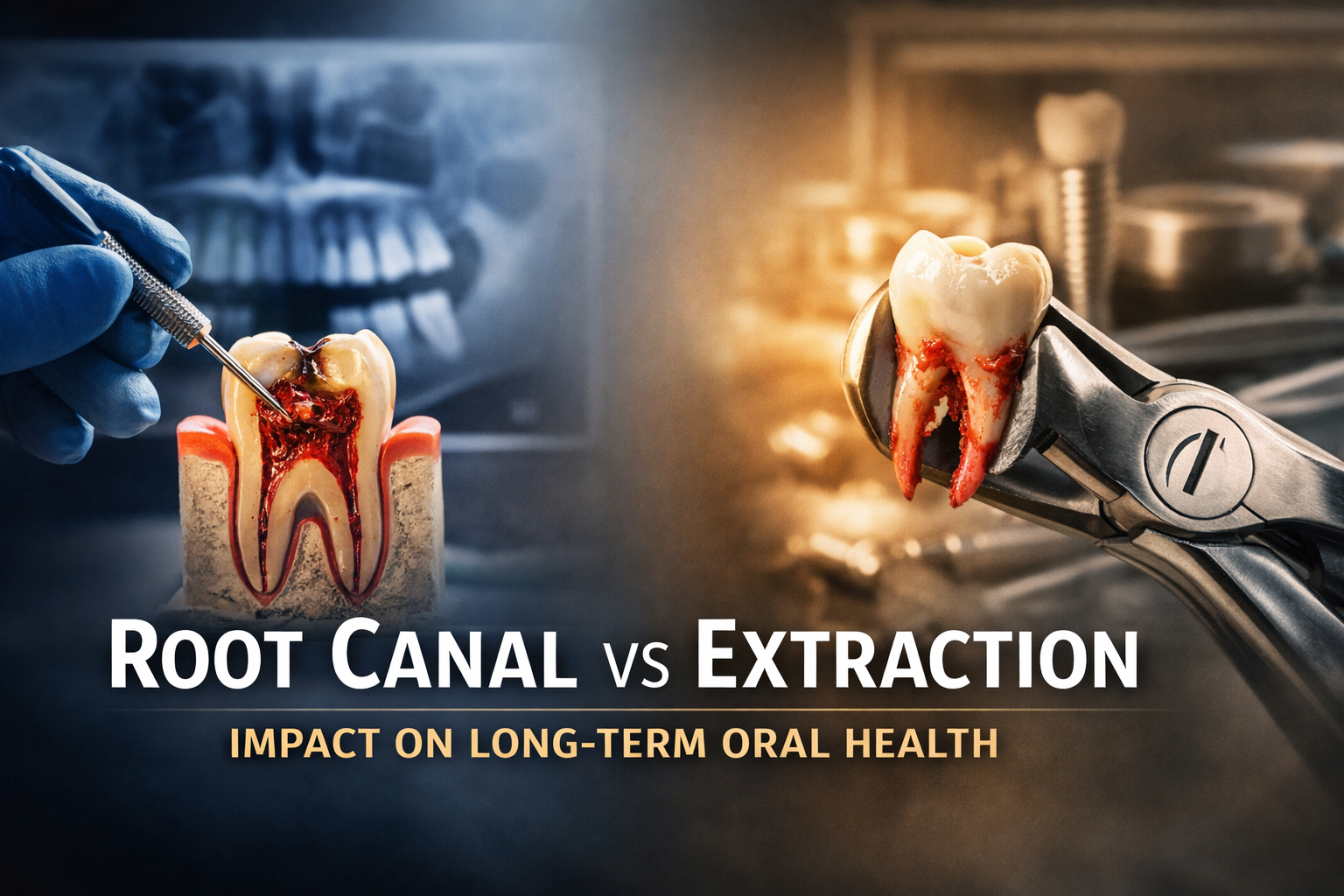
When a tooth becomes severely infected or the nerve is damaged, patients are often faced with a difficult decision. Should the tooth be saved with a root canal treatment, or should it be removed through extraction?
At first glance, the choice may seem to depend on pain relief, treatment time, or immediate cost. In reality, this decision can influence your chewing ability, jaw health, facial structure, and even future cosmetic dental plans for years to come.
At The Dental Port, treatment decisions are guided not only by short-term comfort but also by long-term oral health, function, and aesthetics. Understanding how each option affects your future helps you make a more informed choice.
What Root Canal Treatment Actually Does
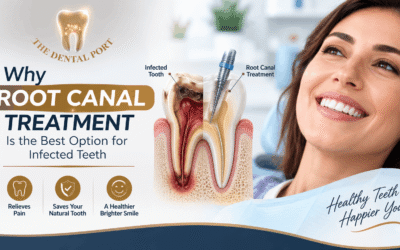
Root canal treatment, also called endodontic therapy, focuses on removing infected or damaged nerve tissue from inside the tooth. Once the pulp is removed, the canals are carefully cleaned, disinfected, and sealed to prevent reinfection. The tooth is then restored, usually with a crown, to regain strength and function.
Modern root canal techniques are highly predictable. With advanced instruments, imaging, and sealing materials, studies show that around 97 percent of root canal treated teeth remain functional even after ten years when properly restored and maintained.
Preserving the natural tooth offers several long-term benefits. It maintains normal chewing efficiency, supports the surrounding jawbone, and prevents unnecessary stress on neighbouring teeth. A preserved tooth also provides a strong foundation for future treatments such as crowns, veneers, or planned smile corrections using digital smile design.
What Happens When a Tooth Is Extracted
Tooth extraction removes the entire tooth, including the root. In some situations, such as severe structural damage or advanced infection, extraction may be unavoidable. However, removing a tooth has consequences beyond the immediate relief from pain.
Once a tooth is extracted, the jawbone in that area no longer receives stimulation. Over time, this can lead to gradual bone loss. The gap left behind can cause nearby teeth to shift, opposing teeth to over-erupt, and bite balance to change.
Replacing an extracted tooth often requires additional procedures such as dental implants, bridges, or removable prosthetics. These options can restore appearance and function, but they involve more treatment stages, higher long-term costs, and ongoing maintenance.
Although extraction may appear simpler or more affordable initially, the long-term functional and structural impact often makes it a more complex solution over time.
Long-Term Quality of Life After Root Canal or Extraction
Beyond clinical outcomes, quality of life plays a major role in treatment decisions. Research comparing patients who undergo root canal treatment versus extraction shows that those who retain their natural teeth often report better comfort, chewing ability, and overall satisfaction.
Patients who preserve their teeth tend to experience fewer issues with chewing discomfort, sensitivity, and self-consciousness. While both treatment paths can eventually stabilise oral health, tooth preservation often supports a more natural feel and function in daily life.
Maintaining your own tooth can also reduce the emotional and psychological impact that sometimes accompanies tooth loss, particularly in visible areas of the mouth.
Functional Impact on Chewing, Bone Health, and Tooth Alignment
Natural tooth roots play a critical role in oral health. They help stimulate the jawbone, maintain proper bite alignment, and provide sensory feedback while chewing.
When a tooth is preserved through root canal treatment and restored correctly, it continues to support bone health and normal chewing forces. Adjacent teeth remain stable, and the overall bite is less likely to change.
In contrast, untreated gaps after extraction can lead to drifting teeth, bite imbalance, and changes in facial support over time. These changes may require additional corrective treatments later.
Aesthetic Considerations and Future Smile Planning
For patients considering cosmetic improvements or a complete smile makeover, preserving natural teeth often simplifies future planning. Digital smile design allows dentists to plan tooth shape, alignment, and proportions in harmony with facial features.
When a natural tooth is saved, cosmetic treatments such as veneers, whitening, or alignment can be planned with greater accuracy. If a tooth is extracted, additional restorative steps like implants or bridges must be completed before cosmetic work can begin, extending treatment timelines.
At The Dental Port, digital smile design is frequently used to help patients visualise outcomes and make confident decisions before starting treatment.
How Digital Smile Design Supports Better Decisions
Digital smile design uses high-resolution images, intraoral scans, and facial analysis to create a visual roadmap of a patient’s smile. This technology helps patients understand how their smile will look after treatment and how each tooth contributes to the final result.
When deciding between root canal treatment and extraction, digital planning allows clinicians to simulate future scenarios and align treatment choices with long-term goals. This approach improves predictability and helps avoid unnecessary compromises later.
Making the Right Choice for Long-Term Oral Health
Choosing between a root canal and extraction should always consider future function, aesthetics, and overall oral stability.
Preserving the natural tooth whenever possible supports long-term chewing efficiency and jaw health. If extraction is unavoidable, planning for timely and appropriate replacement is essential. Integrating digital smile design into treatment planning ensures that restorative and cosmetic goals remain achievable.
At The Dental Port, every treatment plan is personalised using modern diagnostics and planning tools to protect both your oral health and your smile for the long term.
Thinking about treatment options?
Book an appointment with The Dental Port-Advance Dntal & Implant Center Noida today to discuss whether root canal treatment or extraction is the right choice for your long-term oral health.
Is a root canal better than tooth extraction?
In most cases, a root canal is better than extraction because it allows you to keep your natural tooth. Preserving the tooth helps maintain chewing efficiency, jawbone health, and bite alignment. Extraction is usually recommended only when the tooth cannot be saved.
What happens if I remove a tooth and do not replace it?
If a tooth is removed and not replaced, nearby teeth may shift into the empty space, and the opposing tooth may over-erupt. Over time, this can lead to bone loss, bite problems, and difficulty chewing properly.
Does a root canal weaken the tooth?
A root canal does not weaken the tooth when it is restored correctly. After treatment, a crown is usually placed to protect the tooth and restore its strength, allowing it to function normally for many years.
Is tooth extraction cheaper than a root canal?
Tooth extraction may seem cheaper initially, but the long-term cost can be higher if the missing tooth needs to be replaced with an implant, bridge, or denture. A root canal often proves more cost-effective over time.
How long does a root canal treated tooth last?
With proper restoration and oral hygiene, a root canal treated tooth can last for decades. Studies show high success rates even after ten years when the tooth is crowned and maintained well.
Can digital smile design help in choosing between root canal and extraction?
Yes, digital smile design helps visualise how your smile will look after treatment. It allows dentists to plan future restorations and cosmetic treatments, making it easier to decide whether preserving the tooth is the better option.
Does tooth extraction affect facial appearance?
Over time, tooth extraction can affect facial support due to bone loss in the jaw. This may lead to changes in facial shape, especially if multiple teeth are missing and not replaced.
When is tooth extraction the only option?
Extraction is usually recommended when the tooth is severely broken, cracked below the gum line, or has extensive infection that cannot be treated successfully with a root canal.
Is root canal treatment painful?
Modern root canal treatment is typically no more uncomfortable than getting a filling. Local anaesthesia and advanced techniques make the procedure safe and manageable for most patients.